How Professional Roof Cleaning Extends Your Shingle Lifespan
A durable roof protects your home from the harshest weather, yet it remains one of the most overlooked components of residential maintenance. In Melbourne, where property owners frequently experience rapid temperature shifts, heavy coastal downpours, and intense summer sun, residential roofing materials endure significant environmental stress. While asphalt, composite, and architectural shingles are engineered to provide decades of dependable shelter, their service life is routinely cut short by neglect and biological contamination. Engaging in professional roof cleaning is not simply a matter of boosting aesthetic appeal; it is a vital preventative maintenance strategy that safeguards the structural integrity of your shingles and adds years to their operational life.

The Threat of Organic Growth to Roof Shingles
The primary culprits behind premature shingle failure are biological organisms: algae, moss, and lichen. In the climate of southern Victoria, periods of dampness followed by mild warmth create an ideal breeding ground for these organisms. Dark streaks running down your shingles are usually not simple dirt; they are colonies of Gloeocapsa magma, a resilient blue-green algae. This airborne bacterium feeds on the limestone fillers commonly found in modern shingles. As the algae consume these components, the shingle base weakens, leaving your roof vulnerable to premature moisture penetration and structural failure.
Moss and lichen pose an even greater structural threat. Unlike superficial dirt, moss develops dense root structures known as rhizoids that anchor directly into the porous asphalt matrix. As moss patches expand, they physically wedge themselves underneath the overlapping tabs of the shingles. This lifting effect breaks the manufacturer-applied sealant strip, exposing the vulnerable roof underlayment to wind-driven rain. During Melbourne's wetter winter months, moss acts like a sodden sponge, holding moisture directly against the shingle surface for weeks at a time. This constant dampness rots the backing material, rusts roofing fasteners, and promotes wood rot in the structural roof decking below.
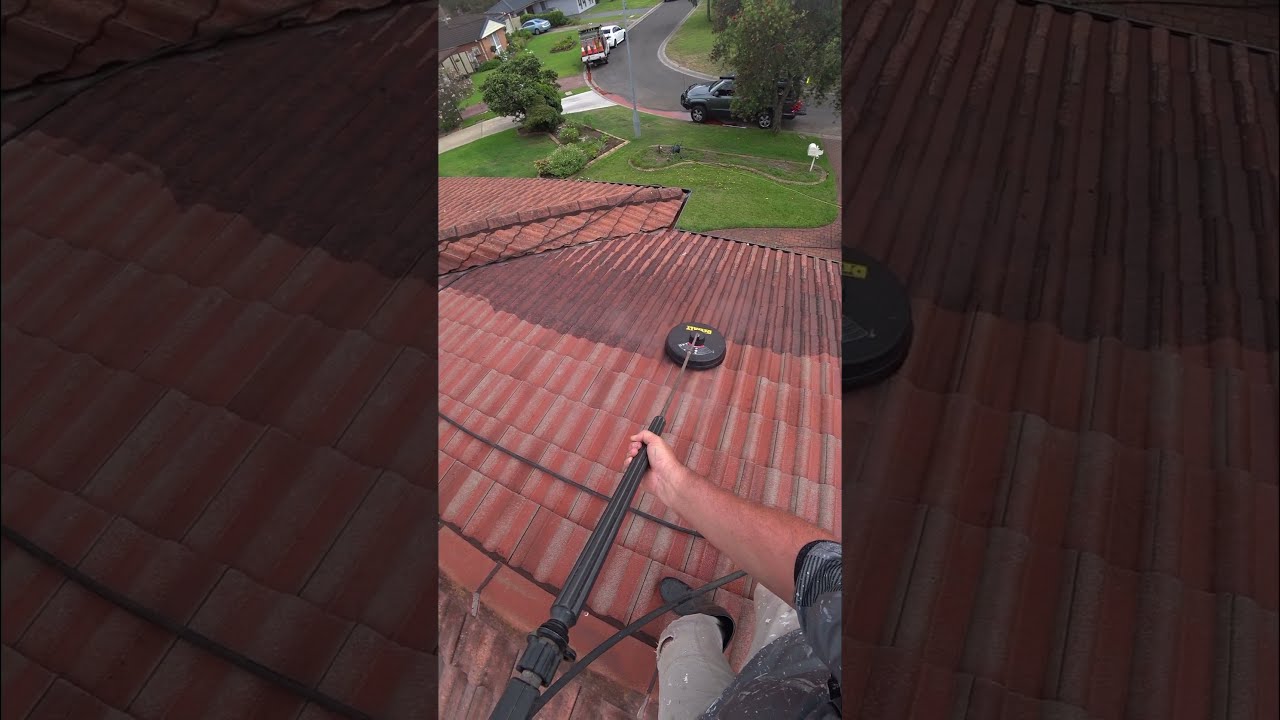
Lichen is arguably the most destructive organism of all. It forms a symbiotic fusion of algae and fungus that secretes mild acids capable of etching deeply into the shingle surface. When lichen dries during hot summer spells, it contracts tightly around the protective mineral granules. When dislodged by wind or amateur cleaning attempts, the lichen tears these critical protective granules clean off the asphalt base.
Why Protective Granule Retention Matters
The outer surface of an asphalt or architectural shingle is coated with ceramic-coated mineral granules. These granules serve several non-negotiable functions in the overall roofing assembly:
- Ultraviolet Protection: Granules shield the underlying asphalt core from severe UV degradation, which otherwise causes the asphalt to dry out, blister, and crack under high UV indices.
- Thermal Reflectivity: By deflecting sunlight, intact granules regulate internal attic temperatures and reduce cooling demands during warm periods.
- Fire Resistance: Granule coatings contribute significantly to the fire-resistance rating of residential roofing systems.
- Physical Impact Defense: The durable outer layer guards the pliable waterproofing asphalt against hail, falling tree debris, and foot traffic during inspections.
When biological growth takes hold, granule detachment accelerates exponentially. Once a shingle loses its protective granular coating, the exposed asphalt quickly hardens, curves at the edges (cupping or curling), and loses its waterproof properties. Professional roof washing neutralizes invasive growth at the root level without disturbing the delicate bond between the granules and the asphalt core.
Soft Washing vs. High-Pressure Washing: The Professional Difference
One of the most damaging mistakes property owners make is attempting to clean shingles with a standard consumer pressure washer. Direct high-pressure water acts like an abrasive chisel on shingle surfaces. Blasting a shingle roof with excessive force instantly strips away years of protective mineral granules, drives water upward beneath the shingle laps, saturates the underlying timber framing, and routinely voids the manufacturer warranty.
Industry-standard practices in 2026 rely exclusively on soft washing for delicate roofing materials. Soft washing combines dedicated low-pressure delivery systems—often under 100 PSI, comparable to the output of a standard garden hose—with specialized chemical solutions. These biodegradable, water-based solutions break down organic matter at the microscopic cellular level. Rather than forcefully blasting debris off the surface, soft washing disinfects the substrate, eliminating spores deep within the porous shingle surface. This ensures that biological regrowth is delayed far longer than with abrasive surface-only cleaning methods.
This specialized low-pressure methodology is also applied to other roofing surfaces across varied architectural properties. While tile roof cleaning for concrete https://cruzfdco934.birchreport.com/posts/the-true-cost-of-neglecting-gutter-cleaning-in-melbourne or terracotta tiles can tolerate marginally higher pressures than shingles, soft washing remains the gold standard for preserving finishes. Similarly, properties featuring architectural metal work or modern additions benefit immensely from dedicated colorbond roof cleaning and general metal roof cleaning, which require non-abrasive treatments to avoid compromising factory-applied protective paint coatings and corrosion-resistant finishes.
Integrated Exterior Care: Gutters and Solar Systems
Roof preservation extends beyond the shingles themselves; it relies on the proper function of adjacent water-shedding and energy systems. Blocked drainage systems are a leading secondary cause of lower-shingle decay. When downpipes clog with organic debris, water backs up into the gutter trough, submerging the starter strip and bottom edge of the roofline. Regular gutter cleaning prevents water from wicking upward into the roof deck via capillary action, eliminating a major source of fascia rot and internal leaks.
Additionally, modern Melbourne homes increasingly feature solar arrays mounted directly over shingle and metal surfaces. Debris, bird droppings, and leaves naturally accumulate under and around solar panel mounting brackets, creating a persistent micro-environment of moisture and decaying matter that directly damages the shingles underneath. Integrating professional solar panel cleaning with full-surface roof wash protocols ensures that both your power generation efficiency and your underlying roofing material remain in peak condition.
Key Steps in a Professional Roof Cleaning Process
Qualified exterior cleaning professionals follow a structured process to ensure thorough sanitization without causing mechanical stress to the roof:
- Pre-Cleaning Structural and Safety Inspection: Technicians inspect the roof to identify broken shingles, compromised flashing, loose seals, or underlying moisture issues that need rectification before washing begins.
- Surrounding Property and Environmental Safeguarding: Ground crews rinse down and cover surrounding garden beds, landscaping, and outdoor furnishings with protective tarps, while diverting downpipes to prevent chemical run-off from entering stormwater systems or greywater tanks.
- Controlled Application of Cleaning Solutions: Specialized algaecides and surfactants are applied using low-pressure nozzles, allowing the active ingredients to dwell and dissolve the cellular structure of algae, moss, and lichen.
- Low-Pressure Rinse and Gutter Clearance: Dead biological material is gently cleared from the surface, followed by a thorough gutter clean-out to remove all dislodged solids and chemical residue.
- Preventative Surface Treatment: A lingering biocide barrier is often applied to inhibit spore germination throughout subsequent wet seasons, guaranteeing prolonged protection.
The Financial Return of Preventative Roof Washing
Replacing an asphalt or architectural shingle roof represents a major capital expenditure. In 2026, building material costs, waste disposal fees, and skilled labor rates make preventative maintenance far more cost-effective than premature replacement. A professionally cleaned and maintained shingle roof can routinely achieve its full design life of 25 to 30 years, whereas an unmaintained, moss-infested roof often fails within 12 to 15 years.
Beyond extending physical lifespan, regular maintenance protects your homeowner insurance coverage. Insurance adjusters regularly inspect properties after weather events; if they determine that internal water damage was caused by chronic, unaddressed maintenance issues—such as moss-lifted shingles rather than direct storm impacts—claims can be delayed or rejected. A clean, well-maintained roof stands up better to official inspection and keeps your structural warranty intact.
Preserving Your Home's Long-Term Value
Your roof represents the first line of defence against Melbourne's volatile climate patterns. Allowing invasive organic growth to thrive on your shingles strips away their mineral protection, exposes internal layers to moisture, and causes unforced structural breakdown long before their intended lifespan expires. By investing in dedicated professional soft-wash services, you eliminate destructive organisms, protect delicate granules, and secure your home against preventable water intrusion. Whether maintaining a traditional shingle roof, arranging seasonal drainage maintenance, or organizing specialized tile or Colorbond care, proactive exterior washing is the single most effective way to protect your property's value for decades to come.
Melbourne Roof Cleaning Pros
2/19 Chandos St, Cheltenham VIC 3192
ph. (03) 4514 5137